Channel 4 is defending its documentary about Huw Edwards just three days before the film’s premiere, with the broadcaster’s news chief arguing that the project serves a clear public interest.
The network announced Huw Edwards – Guilty last week. The documentary is scheduled to air Tuesday night and has already drawn extensive criticism, including from senior figures in the UK government.
Louisa Compton, Channel 4’s news chief, issued an unusually detailed statement this morning. She acknowledged that many people would strongly oppose the decision to make the film, but said disagreement and discomfort alone are not reasons for journalists to avoid difficult questions. Channel 4, she said, believes those questions matter to the public.
Her comments followed a statement from the Prime Minister’s spokesperson, who said the public had no interest in hearing from Edwards and emphasized support for people harmed by child sexual abuse and exploitation.
Compton also stressed the reality behind Edwards’ offenses: children and victims were abused, including children as young as seven. At the same time, she said the former BBC News anchor would not be allowed to present his account without challenge or on his own terms. Edwards was not paid for the documentary and had no editorial authority over it, she said.
“Journalism isn’t about only putting people on television whose actions or opinions we approve of,” Compton said. She argued that reporting sometimes requires directly questioning people who have caused serious harm, examining their explanations, and letting viewers decide how credible those answers are.
Compton, who was recently promoted to Director of News, Digital and Audience Trust, said the film also explores broader, difficult issues involving power, trust and accountability. It considers how the criminal justice system deals with people convicted of offenses involving indecent images of children, she said.
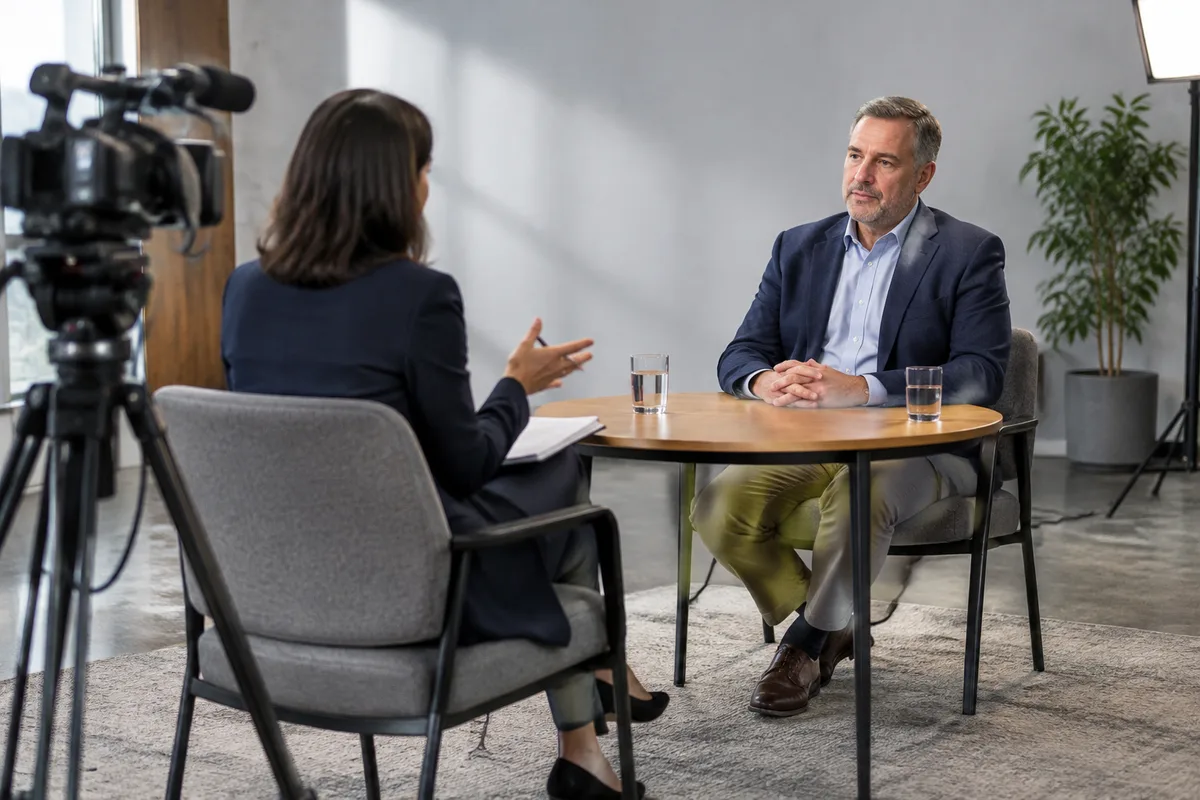
The documentary, airing Tuesday, will mark the first time Edwards has discussed his conviction and dramatic fall from public life on television. He has written about his conduct on Substack, but this will be his first conversation on the subject with an interviewer. In a brief trailer, Edwards says he had “lost the plot” when asked why he acted as he did. The interviewer responds with visible frustration: “Oh, come on.”
In 2023, The Sun published allegations that Edwards had groomed younger people and paid them for sexually explicit images. The following year, he pleaded guilty to making indecent images of children. He has largely withdrawn from public life since then and returned to Wales, where he grew up. That is where the documentary was filmed.
Compton’s statement in full
“It is fair to ask why Channel 4 made this film and why it is being released now. As a public service broadcaster, we have a duty to consider carefully what we show. That means weighing the public interest in asking challenging questions of influential people against the possible effect on viewers, especially victims and survivors of abuse.
“We made this decision only after serious consideration. Journalism does not mean featuring only people whose beliefs or behavior we support. At times, it means doing the reverse: facing people who have done terrible things, asking them difficult questions, scrutinizing their explanations and giving audiences the chance to assess their answers.
“The circumstances and seriousness are plainly not the same, but reporters regularly interview and question people responsible for grave acts, including murderers, terrorists and dictators. The underlying principle is unchanged: interviewing someone is not an endorsement. It gives journalists a chance to challenge their conduct, examine their version of events and allow the public to judge what they say.
“That is the approach taken in this film. Edwards is not permitted to deliver an unchallenged account or dictate the terms of his story. An experienced director questions him throughout. He received no payment, had no say over the film’s content and faced no limits on what he could be asked.
“Edwards was once among Britain’s best-known and most trusted broadcasters. He pleaded guilty to serious offenses involving indecent images of children, but has never before faced detailed public questioning about his criminal conduct or the complete collapse of his career and reputation. There is an unmistakable public interest in putting those questions to him instead of leaving them unanswered.
“We are also fully aware that these offenses involve real children and real victims, including children as young as seven, who have been abused. Making this film does not lessen the gravity of that harm. Nor does Edwards’ participation mean he deserves sympathy, redemption or rehabilitation. His account is presented for scrutiny, not as something audiences should simply accept.
“Channel 4 is also required to encourage debate. The film raises broader and uncomfortable questions about power, trust and accountability, as well as the way the criminal justice system responds to people convicted of offenses involving indecent images of children. These issues reach beyond one disgraced public figure and merit serious examination.
“Channel 4 has a long history of investigating powerful people and confronting serious wrongdoing. The same journalistic purpose applies here. Accountability can involve investigating someone from a distance, but it can also mean gaining access, putting questions directly to them and testing their explanations of their actions.
“We should be able to examine difficult subjects rather than turn away simply because what we see is upsetting. We know some people will strongly disagree with our decision to make this film. But discomfort by itself is not a reason for journalism to avoid hard questions. We believe those questions are in the public interest.”
Similar Posts
- Huw Edwards Drama Sparks Ofcom Probe After Skydance UK/Channel 5 Broadcast
- ‘Swamp People’ Legend Junior Edwards Passes Away
- Channel 4’s New Era: Key Roles for Louisa Compton & Kiran Nataraja Post-Ian Katz
- Russell Brand’s Defense Claims Channel 4 Film ‘Deliberately Poisoned the Well of Justice’
- Russell Brand: Ex-Assistant Claims Women Came to His Apartment All the Time — He ‘Never Seemed Happy’
Taylor Monroe takes readers behind the scenes of the entertainment industry, from Hollywood trends to rising stars. With a passion for storytelling, Taylor brings engaging and fresh perspectives.